Smally: A Colorful Handwritten Font for Modern Web Design and Digital Branding
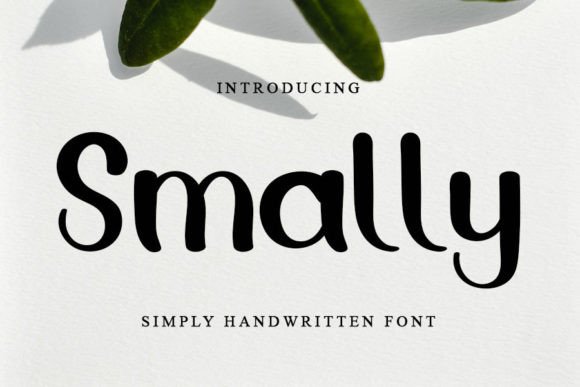
As a web designer, choosing the right typeface can make or break a digital experience. Smally stands out as a versatile script font that blends personality with usability. Designed with a clean yet slightly quirky aesthetic, Smally brings a touch of elegance to any digital interface without compromising readability or brand tone.
Smally belongs to the Script Amp category, making it ideal for display use in web design. Its handwritten character gives it a warm, approachable feel, while its consistent stroke weight and open spacing contribute to legibility across screen sizes. Whether you're crafting a landing page, branding a new SaaS product, or designing an online store, Smally adapts well to a variety of digital environments.
Where to Use Smally in Web and Digital Product Design
Smally excels in hero sections, logo treatments, and call-to-action areas where a human touch enhances brand messaging. It works especially well for:
- Logo design on portfolio sites or creative agency landing pages
- Headline text in product marketing banners or course sales pages
- Brand accents in editorial-style blog headers or social media graphics
- Button labels or short-form text in conversion-focused layouts
For digital product creators, Smally can serve as a memorable brand signature across app screens, email headers, or dashboard widgets. Its personality shines in creative industries like coaching, design, or lifestyle branding, where authenticity plays a key role in user trust.
Visual Hierarchy and Readability Considerations
When integrating Smally into a layout, it’s important to balance its decorative nature with functional design. As a script font, it performs best in short bursts — headlines, subheadings, or branding elements — rather than long-form body text.
On mobile screens, ensure that Smally remains legible by using it at appropriate sizes. Avoid using it in small buttons or dense interface elements. Instead, pair it with a clean sans serif like Helvetica or Open Sans for supporting copy, creating a visual rhythm that guides users through the content.
Enhancing Brand Tone with Smally
Fonts are more than just visual elements — they shape how users perceive your brand. Smally's elegant yet playful character makes it perfect for brands that want to feel both professional and personable. It strikes a balance between formal typography and casual handwriting, making it suitable for boutique brands, wellness entrepreneurs, and creative studios.
For SaaS founders or online course creators, Smally can reinforce a brand identity that’s approachable yet polished. Use it in hero sections to introduce your product, in testimonials to add a personal touch, or in email signatures to maintain consistent brand presence.
Responsive Design and Layout Rhythm
In responsive web design, Smally maintains its clarity across breakpoints when used appropriately. For dark backgrounds, consider adjusting contrast levels or using lighter font weights to preserve legibility. When overlaying Smally on images, apply a subtle text shadow or background overlay to ensure readability.
When designing for conversion, use Smally strategically in headlines and CTA buttons. Its uniqueness can draw attention without overwhelming the layout. Pair it with neutral fonts for body copy to create a clear visual hierarchy that supports scanning behavior and guides users toward key actions.
Font Pairing Strategies for Web Design
Smally pairs beautifully with minimalist sans serif fonts like Montserrat, Lato, or Roboto. This combination allows the script font to shine in headlines while maintaining clarity in supporting text. For editorial-style websites or content-driven platforms, consider pairing Smally with a serif font like Merriweather or Playfair Display to create a refined, typographic contrast.
When building a brand kit, use Smally as your primary display font and complement it with one or two supporting typefaces. This creates a cohesive visual language across landing pages, social media graphics, and branded web content.
Technical Considerations for Web Use
Before embedding Smally into a live site, verify that it includes necessary webfont formats (WOFF, WOFF2), alternate glyphs, and multilingual support if your audience is global. Check for available weights — while Smally may be primarily a single-weight font, it should still render clearly in bold or italic variations when needed.
For client projects or online stores, ensure that you have the proper commercial font license. Most premium fonts offer desktop and webfont licenses separately, so confirm that your usage aligns with the font provider’s terms.
Final Example: Smally in Real Digital Applications
Picture a boutique coaching website where Smally introduces the brand name in the hero section. Below, a clean sans serif supports the service descriptions and testimonials. On a product landing page, Smally highlights the main offer while body text remains crisp and readable. In a creative portfolio, Smally adds a personal signature to project titles and gallery captions.
Whether used in a digital brand kit, a SaaS marketing page, or a blog header, Smally delivers a balance of style and usability. It’s a script font that feels modern, not trendy — a choice that supports both visual interest and digital clarity.