Shelter: A Unique Handwritten Script Font for Modern Web Design
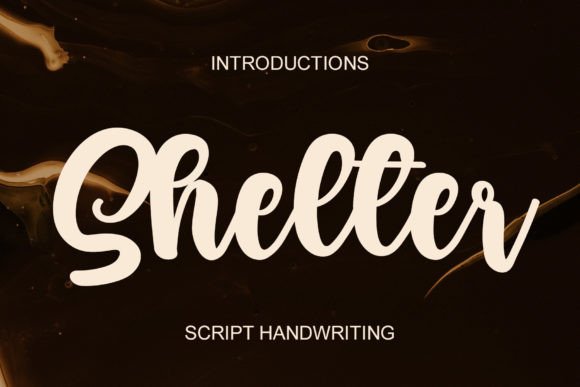
As a web designer, typography is one of the most powerful tools in your toolkit. Choosing the right font can elevate a layout, reinforce brand tone, and guide user behavior. Shelter is a standout handwritten script font that brings a personal, expressive touch to digital design without sacrificing readability or usability. Whether you're designing a landing page, crafting a brand identity, or building an online store, Shelter offers a distinctive visual voice that works well across multiple digital contexts.
Shelter’s flowing, organic letterforms evoke a sense of warmth and creativity. It’s not just another decorative typeface—it’s designed with intention for digital use. The subtle variations in stroke weight and natural ligatures give it a hand-drawn feel that’s both engaging and professional. This makes Shelter especially effective for branding elements, hero headers, and short-form content where personality matters most.
Using Shelter in Web Layouts
Shelter performs best when used strategically within a web layout. It shines in header sections, hero banners, and call-to-action buttons where visual impact is key. Because of its script nature, it's ideal for short phrases, titles, and accents rather than long blocks of text. For example, using Shelter in a portfolio site’s hero section can instantly communicate a creative, approachable brand tone.
On landing pages, Shelter can be used to highlight value propositions or key benefits. When placed over clean backgrounds or subtle image overlays, it maintains legibility while adding a distinctive visual hook. For online stores, this font works well in promotional banners, product names, or packaging design mockups, giving your brand a more human, artisanal feel.
Readability and Responsive Design
When working with script fonts like Shelter, readability is crucial—especially on mobile screens. To maintain clarity, use Shelter at larger sizes for headers and avoid using it in small body text or dense navigation menus. On mobile, ensure ample spacing between letters and avoid using it over busy backgrounds unless you apply a subtle text shadow or contrast layer.
For dark or light backgrounds, test Shelter in both settings. On dark backgrounds, a slightly lighter weight or white outline can help maintain legibility. When overlaying on images, consider a semi-transparent backdrop or text masking to ensure the font remains readable without losing its stylistic charm.
Visual Hierarchy and Brand Tone
Typography plays a major role in shaping visual hierarchy and user engagement. Shelter naturally draws attention, making it perfect for primary headlines or branding elements. Pair it with a clean sans serif font like Helvetica, Lato, or Open Sans for body text to create a balanced contrast between decorative and functional typography.
For editorial-style websites or blogs, Shelter can serve as a stylish header font while a serif like Georgia or Merriweather supports long-form content. This pairing maintains a cohesive brand identity while enhancing readability and aesthetic appeal. Whether you're designing a coaching website or a digital course sales page, Shelter helps reinforce a brand’s tone—whether it's creative, friendly, or luxury-focused.
Font Pairing Tips for Web Design
Shelter works best when paired with a more neutral, highly readable font. For a modern, minimal layout, use Shelter in headings and a geometric sans serif like Avenir or Montserrat for subheadings and body copy. This creates a dynamic contrast that guides the user’s eye through the page while maintaining a clean, professional structure.
If you're designing a more editorial or luxury-focused site, consider pairing Shelter with a refined serif font. This combination adds sophistication and depth to your typography, especially in blog headers, quote blocks, or testimonial sections. Always test font pairings in real layouts to ensure they work harmoniously across devices and screen sizes.
Practical Font Features for Web Use
When selecting Shelter for a web project, check the included styles, weights, and character sets. Most script fonts like Shelter come in a single weight, so consider using CSS text effects or layering techniques to create visual variety. Look for alternates and ligatures if you want to customize the appearance further for logos or branded headers.
Ensure Shelter is available as a webfont through platforms like Google Fonts, Adobe Fonts, or a self-hosted solution. If licensing allows, you can embed it directly into your site’s CSS using @font-face for consistent rendering across browsers. Multilingual support is also worth checking if your audience includes non-English speakers.
Commercial Licensing and Usage
When using Shelter in client projects, online stores, or digital templates, always verify the font’s licensing terms. Some script fonts are free for personal use but require a commercial license for web deployment or resale. This is especially important if you're building a Shopify store, designing a landing page for a SaaS product, or creating a downloadable brand kit.
Make sure to retain proof of purchase and keep a record of font licenses for each project. This protects both you and your client from potential legal issues down the line. Many premium font platforms offer clear licensing terms and support for web use, making it easier to integrate Shelter into professional digital work.
Final Thoughts on Shelter for Digital Design
Shelter is more than just a decorative font—it’s a design asset that can help define your brand’s voice and visual rhythm. Whether used in a creative portfolio, boutique shop, or service-based website, it adds a personal touch that resonates with users. When applied thoughtfully, Shelter enhances digital layouts without compromising usability or accessibility.
As with any script font, moderation is key. Use Shelter where impact and personality matter most, and pair it with clean, functional typography to maintain balance. With the right implementation, Shelter can become a signature element of your digital design system, supporting a cohesive, memorable brand experience across all web touchpoints.