Samy: A Handwritten Font That Adds Charm to Every Craft Project
Designing a Candle Label with Samy
I was sitting at my desk, preparing a new line of soy candles for a seasonal market, when I opened up my design software and browsed through my font library. I landed on Samy—a sweet, handwritten font that instantly brought warmth and personality to my candle labels. I typed out “Lavender Fields” and “Cozy Nights,” and just like that, the product felt more inviting, more personal, and more handmade.
What Makes Samy Special
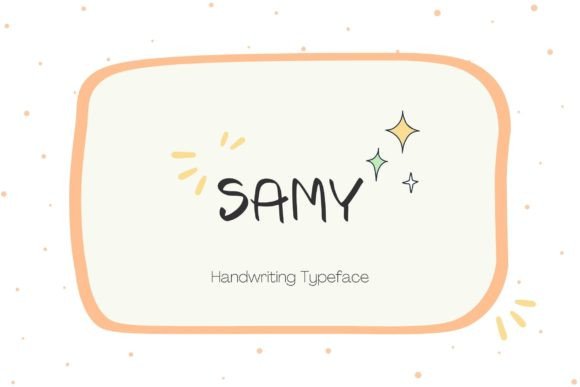
Samy is a Script Amp font that feels both modern and nostalgic. It carries the charm of real handwriting without being too loose or difficult to read. Each letter flows naturally, with subtle swashes and soft curves that give it a gentle, friendly tone. Whether you're printing on sticker paper, engraving on a wooden tag, or designing a digital printable, Samy brings a sense of authenticity and warmth to your work.
Perfect for Handmade Labels and Product Packaging
One of the first places I used Samy was on product labels for my candle line. I needed something that would stand out on a crowded shelf but still feel intimate and artisanal. Samy’s legibility at small sizes made it ideal for sticker labels. The font’s natural rhythm gave the labels a custom, boutique feel that customers responded to immediately. I used it not only for the product name but also for small details like “Hand-poured in Small Batches” and “Essential Oil Infused.”
When I moved on to packaging tags for handmade soap bars, I found the same benefits. The font was easy to cut with my Cricut, and the letters held up well even at 1/4 inch tall. Whether you're using it for boutique tags, hang tags, or food packaging, Samy’s clean strokes and open spacing ensure it remains readable and elegant.
Bringing Life to Greeting Cards and Invitations
Next, I tried Samy for a set of birthday greeting cards. It worked beautifully for both the main greeting and the smaller handwritten notes inside. I paired it with a simple sans serif font like Montserrat for body text, which created a lovely contrast and made the overall design feel balanced and intentional.
For wedding invitations, I tested Samy in both digital and printed formats. It was perfect for the couple’s names and event titles, adding a romantic, personalized touch. The font’s ligatures and alternate characters allowed me to tweak the look slightly for each design, making each invitation feel unique. I also used it for welcome signs and seating charts, where the font’s decorative flair shined without overwhelming the layout.
Creating Digital Printables and Planner Pages
As someone who creates digital downloads for Etsy, I was excited to try Samy in my planner page templates. I used it for section headers like “Monthly Goals” and “Gratitude Log.” It added a soft, approachable feel that resonated well with customers who appreciate a cozy, personal aesthetic. The font’s multilingual support also meant I could offer the templates in multiple languages without any issues.
I made sure to test the readability of Samy in both screen and print versions. It scaled down well for checkboxes and small captions, and its clean outlines made it easy to layer over soft watercolor backgrounds. For digital mockups, I found that using Samy in listing images helped draw attention to key phrases like “2024 Planner Bundle” or “Minimalist Mood Board,” increasing engagement on my shop page.
Using Samy for Mugs, Tote Bags, and T-Shirts
When I designed a new set of mugs and tote bags for a spring collection, I reached for Samy again. It worked wonderfully for short phrases like “Hello Sunshine” and “Bloom Where You’re Planted.” Because of its display nature, it looked best when used for titles or single words rather than long paragraphs. On fabric items like shirts and tote bags, the font’s soft edges gave a hand-painted look that customers loved.
For holiday tags and ornament labels, I used Samy in both red and green text, sometimes with a simple border or a small illustration. The font’s playful personality made it perfect for seasonal crafting, whether I was creating gift tags for Christmas or banners for a summer market booth.
Font Pairing Tips for a Polished Look
While Samy stands beautifully on its own, pairing it with complementary fonts can elevate your designs even further. I often combine it with a clean sans serif like Open Sans or a classic serif like Playfair Display. These combinations work especially well for branding materials, product packaging, and digital assets where hierarchy and readability are key.
If I’m going for a more whimsical look, I’ll pair Samy with another handwritten font for secondary text, but I keep it minimal to avoid visual clutter. When using it on product tags or social media graphics, I usually stick with a single font to maintain a cohesive and focused message.
Design Considerations and Licensing
Before using Samy in commercial products, I always double-check the font’s licensing terms. It’s important to know whether the font allows for use in physical merchandise, digital templates, or printables. Most versions of Samy come with commercial use rights, which makes it ideal for Etsy sellers, print-on-demand shops, and crafters who sell both digital and physical items.
I also recommend checking the file formats included in the font package. Look for OTF and TTF versions for general use, plus WOFF for web-based projects. Some versions also include stylistic alternates, ligatures, and swashes that can add extra flair to your typography.
Final Touches and Real-World Use
Whether I’m printing labels, designing digital mockups, or cutting vinyl for signs, Samy has become a go-to font in my creative toolkit. It adds a personal, handmade touch that resonates with customers and enhances the perceived value of my products. From candle labels to wedding invitations, from digital planners to boutique packaging, Samy brings a consistent, charming voice to everything I create.
If you're a maker, seller, or designer looking to add a bit of warmth and personality to your work, give Samy a try. It’s more than just a font—it’s a design asset that helps tell your story in a way that feels authentic, approachable, and beautifully handmade.